
Important information - the value of investments and the income from them, can go down as well as up, so you may get back less than you invest.
I know lots of brilliant, top-of-their-game professionals who’ve felt intimidated by the very thought of building an investment portfolio from scratch. Some just haven’t had the time to get their heads around it. Some just aren’t that way inclined. And some simply aren’t interested - but still want their money to grow and work harder for them.
If you fall into any of those camps, help is at hand. With a little guidance, anyone can build their own investment portfolio. But getting it right from the outset can make a real difference to your long-term financial future.
So where do you start? Or what should you consider if you’ve already got a portfolio but want to sense-check you’re doing the right thing?
To find out, I sat down with Sophie Martin, a relationship manager from our Wealth Management service, who spends her days helping customers make sense of the investment world.
We chatted about the kinds of conversations she has with new investors, the questions she encourages them to ask, and why it’s important to think about your portfolio in the wider context of what’s going on in the world around us.
Step one: Know what you're investing for
One of the biggest mistakes Sophie sees is people jumping straight into picking investments, without pausing to think about the why behind their investment.
She said, ‘You need to know what you’re building towards - otherwise you risk setting off in the wrong direction entirely. Are you investing for retirement? A house deposit? Your children’s school fees? The goal itself will help determine everything else - from the type of investment account you use (a Self-Invested Personal Pension (SIPP) makes sense for retirement, while an ISA is more suitable for more medium-term goals), to the level of risk you might be comfortable with, to how long you're prepared to lock your money away.’
Step two: Ask yourself these questions
Sophie then talked me through some of the typical questions she runs through with her clients when they’re just starting out - a kind of portfolio prep checklist if you will.
What’s your time horizon?
If you need the money in the next five years, Sophie suggests keeping it in lower-risk investments - or even cash. But if you're investing for the long term (which you should - at least five years), you can afford to ride out short-term market dips, which opens the door to more growth-focused investments.
How comfortable are you with risk?
This is where it gets personal. Some investors are happy to take on more risk for potentially greater returns. Others find it hard to sleep at night if their portfolio dips by even 10 per cent. Sophie encourages honesty here - there’s no right answer, only that you need to pick a level that feels right for you.
Have you used your tax allowances?
Make use of your tax-efficient allowances before looking at a General Investment Account. ISAs and Self-Invested Personal Pensions, or SIPPs, are incredibly tax-efficient - any gains you make are free from income tax and capital gains tax.
Are you properly diversified?
This is less about how many funds you hold and more about what they’re actually invested in. Sophie often has customers holding different funds that are all just investing in the same 10 big US tech stocks. It gives the illusion of diversification without the reality.
To dig deeper, Sophie suggests looking at the fund fact sheets. These outline the top holdings, the risk level (typically rated 1 to 7), and how the fund is spread across regions and sectors.
Step three: Don’t forget the world around you
Once your portfolio is built, it’s tempting to think you can just leave it to do its thing. But Sophie warns against investing in a vacuum. Here’s what she had to say.
‘Your investments don’t exist in isolation - they’re shaped by what’s happening globally,’ she says.
Right now, for example, we’re coming off a period of high interest rates. That might have made holding cash more attractive in recent times, but as rates start to fall, investors may want to reconsider how they’re allocating money. At the same time, geopolitical tensions, elections, inflation and other macroeconomic factors can all affect the markets - and, by extension, your portfolio.
That’s where diversification really earns its keep. By spreading investments across regions, asset classes and sectors, you can help cushion against shocks in one part of the market.’
Sophie also highlights the importance of considering your full financial picture - not just the account in front of you.
‘A lot of people look at their ISA in isolation,’ she explains. ‘But you also need to factor in your pension pots, your cash savings and even any property you might own. It all affects how you invest.’
Ready to take the plunge?
If you’re ready to have a go at building your own portfolio, we’ve got tons of great guidance to support you.
If you’d like a bit more about the ‘why’ behind investing, our principles for good investing pages are a great place to understand more about the building blocks of investing.
If you want to open an account but aren’t sure about which is right for you, you can take our quick quiz, which will set you on the right path.
If you want some help choosing your investments but aren’t sure where to start, we’ve got you covered.
And if you’re not sure how to match your risk appetite to an actual fund - you’re not alone. Risk can feel like an abstract concept until it hits your portfolio in real terms.
One way of seeing what risk looks like in practice is by using our Navigator tool. This tool helps you find a multi-asset fund (a diversified fund that contains various assets - such as company shares and bonds, spread across different regions globally) based on your inputs. And if you're someone who is looking to grow your initial investment and reinvest returns to reach a long-term goal, you'll be asked to select which level of risk (from low to highest) you feel comfortable with.
- Low-risk funds are more defensive in nature, with greater exposure to cash and bonds.
- Medium-risk funds strike a balance between stability and growth, blending equities and fixed income.
- High and highest-risk funds lean more heavily into equities (individual shares or funds that hold company shares), giving them greater potential for long-term growth but also more volatility along the way.
The illustrative infographic below gives you an idea as to how these portfolios are constructed. The lower the risk, the less stocks, or shares, they hold (which are at the higher end of the risk-reward ratio). The higher the risk, the more shares they hold.
The allocations shown are indicative and based on the Fund Provider Factsheets. They aren’t fixed which is why I’ve taken out the actual percentages as the aim is to give you an insight as to how asset allocation varies according to the level of risk you’re willing to take.
Looking for more support?
If you’ve got over £250k to invest (including your pensions), you’ll automatically qualify for our Wealth Management service. You get all sorts of exclusive perks, including your very own relationship manager - like Sophie - who’s on hand to guide you.
And if you have over £100k to invest and would prefer a paid-for, personal financial recommendation, you might like to think about financial advice. It all starts with a no-fee, informal chat to see if it’s right for you.
About Sophie Martin - Wealth Relationship Manager
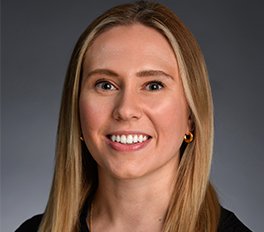
Sophie joined Fidelity in 2022 having enjoyed several years working for large UK wealth management companies. She puts customers at the heart of what she does to help them accomplish their financial goals.
Outside of work she enjoys being active and can often be found either running, cycling or hiking. She also enjoys travelling and experiencing new cultures.
Read: Investing versus saving: the basics
Read: Investing in cash in a Stocks and Shares ISA: the basics
Important information - investors should note that the views expressed may no longer be current and may have already been acted upon. Eligibility to invest in an ISA and tax treatment depends on personal circumstances and all tax rules may change in the future. Withdrawals from a pension product will not be possible until you reach age 55 (57 from 2028). Select 50 is not a personal recommendation to buy or sell a fund. There is a risk that the issuers of bonds may not be able to repay the money they have borrowed or make interest payments. When interest rates rise, bonds may fall in value. Rising interest rates may cause the value of your investment to fall. This information is not a personal recommendation for any particular investment. If you are unsure about the suitability of an investment you should speak to one of financial adviser or an authorised financial adviser of your choice.
Share this article

Latest articles
Lifting the lid on our UK investments
Quality, value and income in the Select 50’s UK funds

Tom Stevenson
Fidelity International
12 December 2025
Overpay the mortgage, ISA or pension - which is best?
The classic ‘trilemma’ for those in their 40s and 50s

Marianna Hunt
Fidelity International
11 December 2025
You’ve taken your tax-free cash - now what?
Managing tax-free pension lump sums after the budget
Marianna Hunt
Fidelity International
11 December 2025
